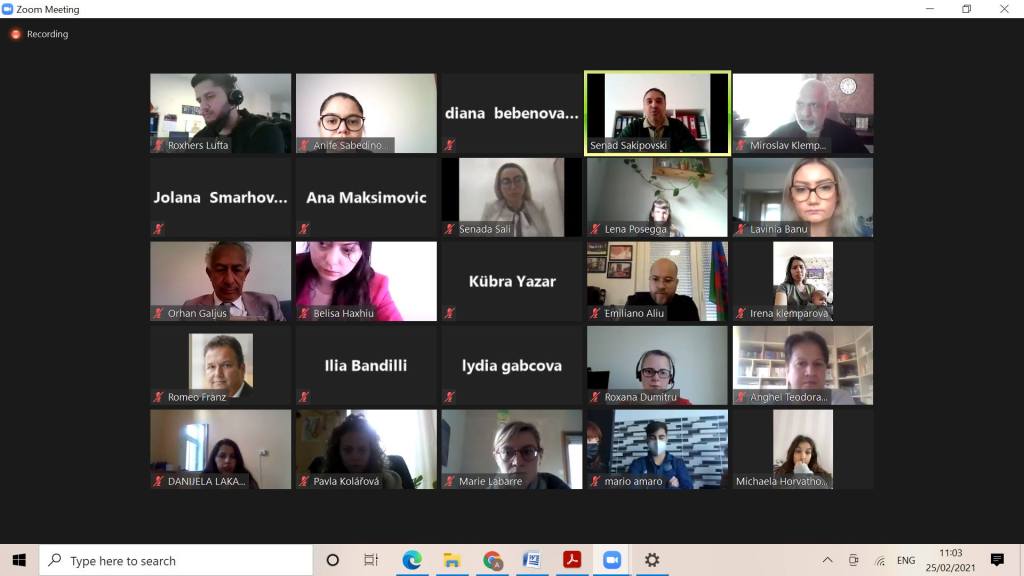
Participation: The event involved 94 citizens, including from 28 eligible courtiers: 10 participants from Albania, 1 from Austria, 1 from Belgium, 1 from Bulgaria, 1 from Bosnia and Herzegovina, 1 from Croatia,1 from Cyprus, 10 from Czech, 1 from Estonia, 1 from France, 10 from Germany, 3 from Greece, 1 from Hungary, 3 from Italy, 1 from Lithuania, 1 from Nederland, 1 from Poland, 3 from Portugal, 5 from Romania,1 from Slovenia, 2 from Slovakia, 5 from Spain, 10 from North Macedonia, 3 from Montenegro, 10 from Serbia, 3 Kosovo, 1 Ireland and 1 from UK.
Location/ Dates: The event took place in online on 25 February 2021.
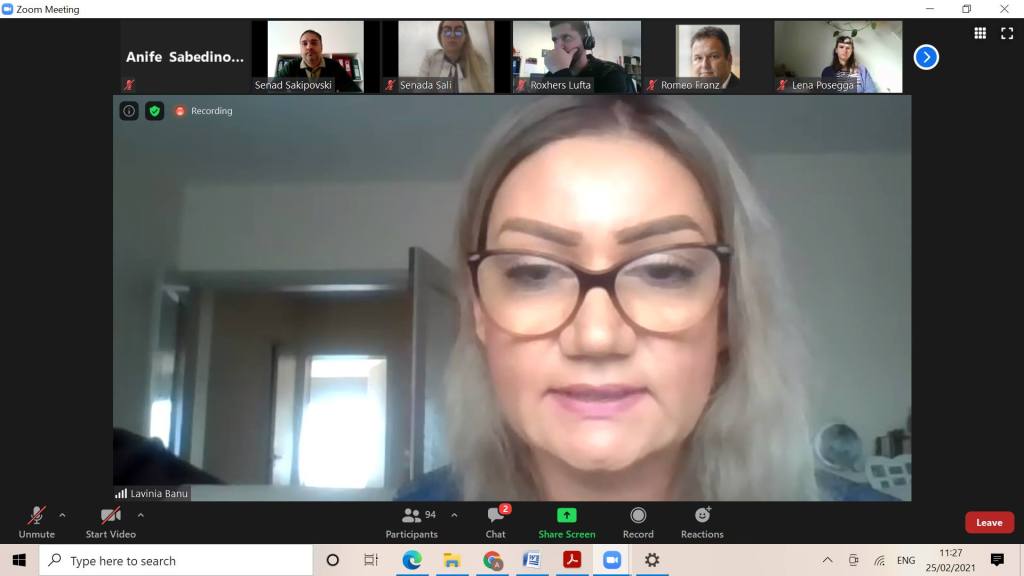
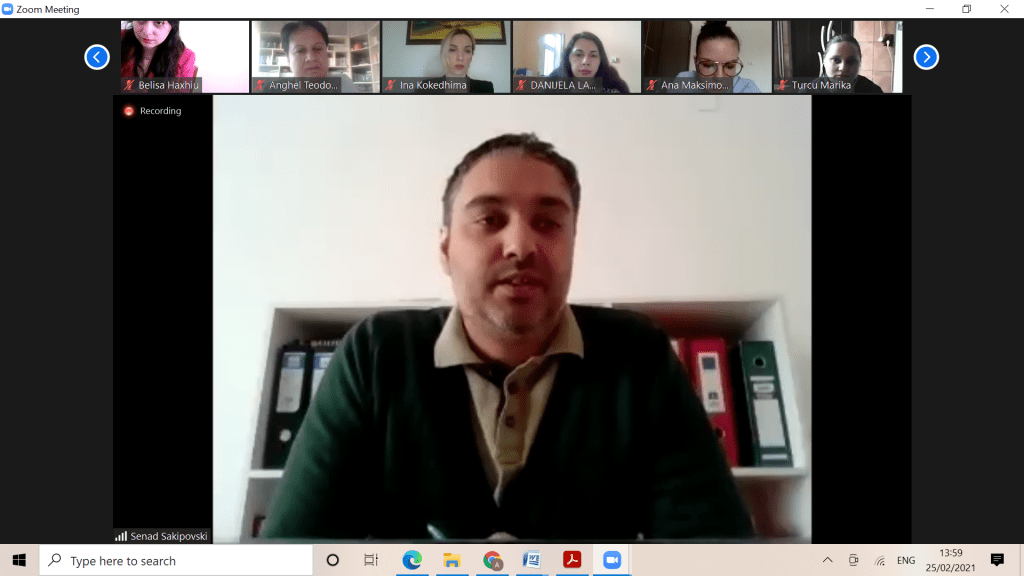
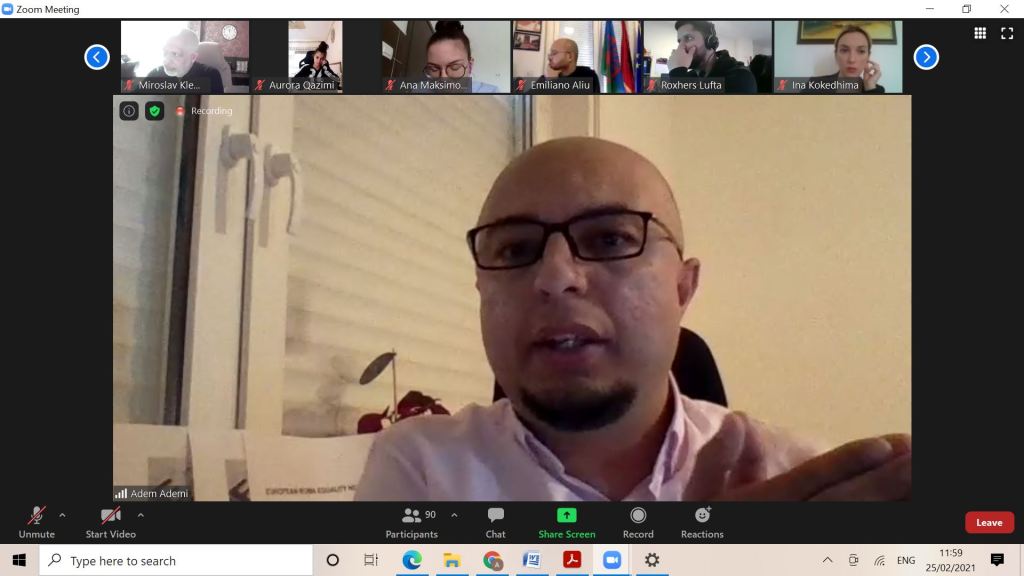
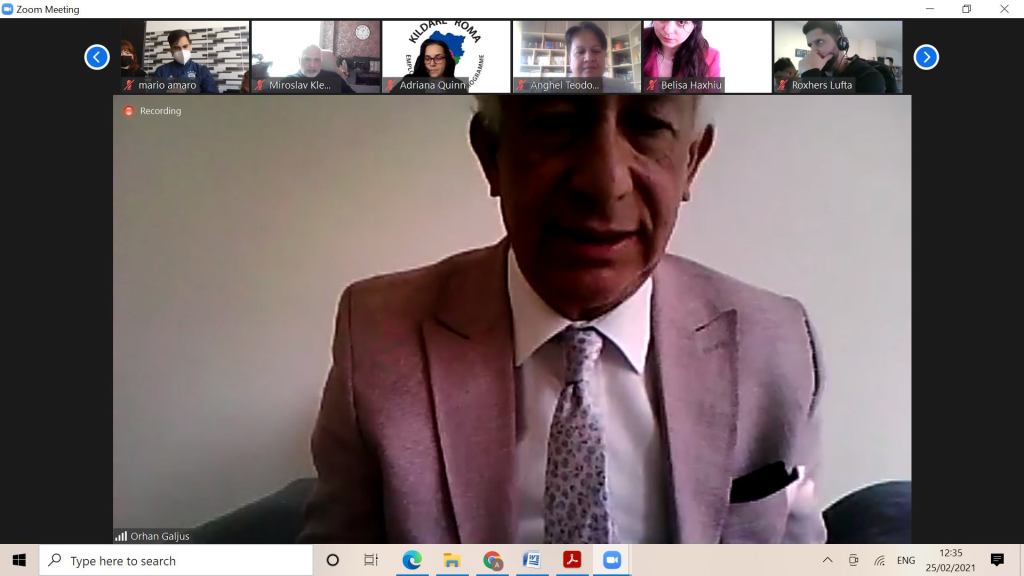
On the 25th of February more than 94 participants from 28 countries participated in the online conference ‘’Roma Policies! From Inclusion to Empowerment’’
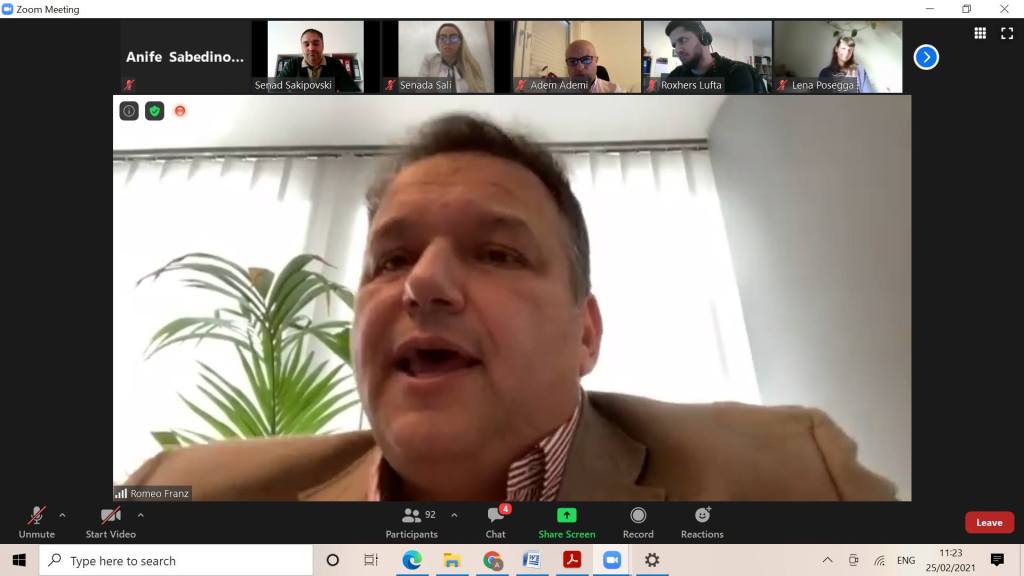
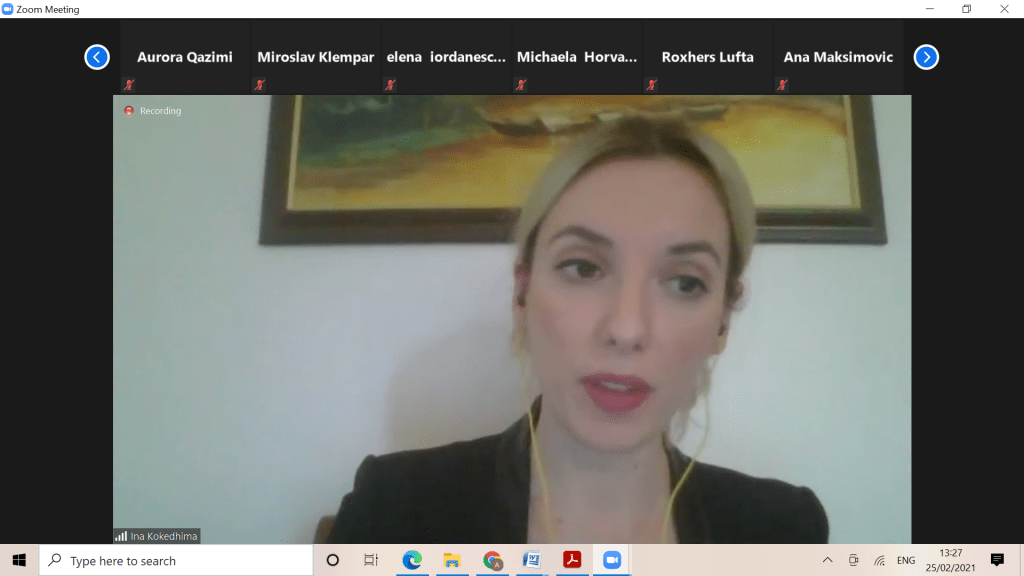
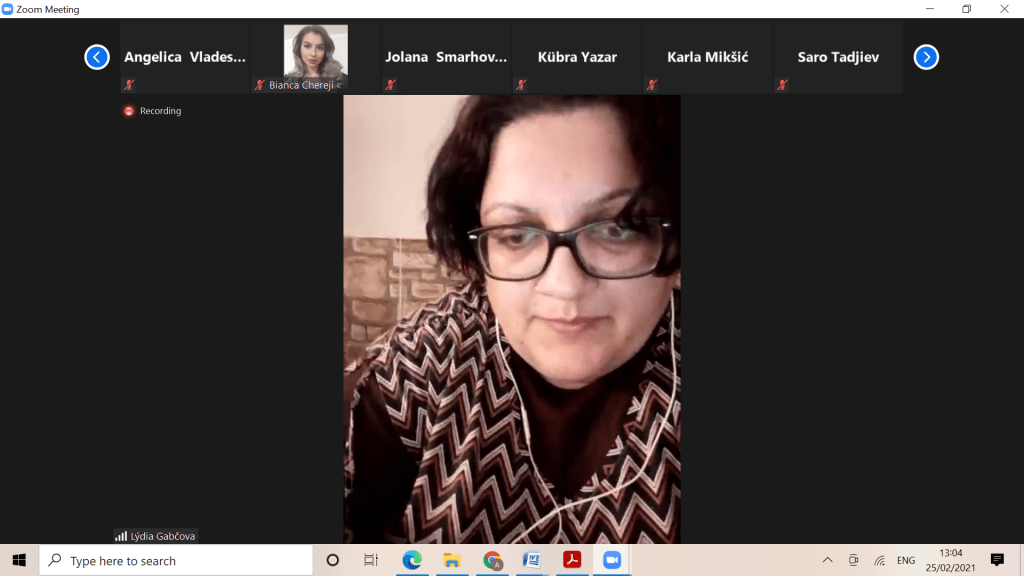
We do really like to thank our panellists: Mr.Romeo Franz (Member of European Parliament), Ms.Lavinia Banu (Police Officer In European Commission, DG Justice Non discrimination and Roma coordination), Mr. Adem Ademi (General Secretary of European Roma Equality Network, Belgium), Ms. Senada Sali (Legal manager, European Roma Right Centre, Belgium), Mr Orhan Galjus (President of Euroasian Roma Academic Network, Amsterdam, Texas,Buda, Berlin, Piran, Mumbai, Izmir), Mr. Bernard Rorke (Advocacy & Policy Manager, European Roma Right Centre, Belgium), Ms. Lydia Gabcova (chief project manager of national project ” – Support for activities aimed at addressing adverse situations associated with COVID-19 in municipalities with the presence of marginalized Roma communities“,Slovakia), Ms. Angelica Vladescu (Head of Unit Programs Evaluation and Social Cohesion Unit) and Ms. Ina Kokedhima (Expert of Roma and Egyptian Minorities Ministry of Health and Social Protection, Albania) for sharing their experience and expertise in the topics of Roma Policies, Roma Inclusion, Roma Empowerment.
Thanks to our partner organizations of the project for their valuable support and all the attendants who have expressed their enthusiasm for this conference.
The program of the conference consisted of 2 sessions:
- Political and civic engagement of Roma
- Impact of the Covid-19 pandemic on Roma
In the first session was discussed that political and civic participation of Roma Community is a prerequisite for a greater results and impact of the European and National polices. In practice many times Roma Communities due to the poverty are subject of manipulation during the elections that apart from being apathetic and voiceless in shaping the public policies, it additionally worsening the meaningful representation in local, national and European decision-making processes. Roma-led and pro-Roma civil society organizations are particularly important actors in promoting and practically implementing the participation and empowerment as principles and processes for bettering Roma people’s living conditions and life outcomes
There were pointed out some of the democratic benefits that political and civic participation can bring to Roma Communities are:
- Roma concerns be heard, their interests represented, and their rights protected
- Strength the fight against Anti-Gypsysm which is a barrier for Roma inclusion
- Recognize the existence and scope of antigypsyism and to push State officials and courts across Europe to respect Romani people’s equality and dignity
- Higher performances of policies meant to improve the Roma inclusion in education, housing, health, employment and culture
In the second session was highlighted that in the context of the Covid-19 pandemic the long lasting social exclusion and economic vulnerability of many disadvantaged groups including the Roma Communities have reach its peak. The use of restrictive measures in the legitimate aim of protecting public health in some Member States reinforced discrimination and violence against marginalized Roma. The spread of fake news, the improper narratives of political figures and ethnicisation of the issue in the media, portraying Roma living in settlements or ghettoes as a public threat or their use as scapegoats accentuated fear and hate against the Roma.
Additionally, there is also a risk that the mid-term socio-economic impacts of the pandemic will hit these communities the hardest, contributing to further inequalities. For example, remote learning through digital education is most often not accessible and/or affordable for marginalized Roma children, lacking any/adequate IT equipment, and/or internet connection, or sometimes even electricity. This could further deepen inequalities in education.
Many Roma living in segregated settlements see themselves cut from any source of income and (formal or informal) economic activity, leading to rising unemployment and poverty. Governments need to ensure that their most vulnerable members do not carry the burden of the pandemic and suffer from additional hate and discrimination.
Many National Roma Contact Points (NRCPs), public authorities and civil society organizations have raised the specific vulnerability marginalized Roma face in the context of the Coronavirus pandemic and the resulting economic crisis. Some of them have put in place both mainstream and targeted preventive measures to protect their population including these vulnerable communities.
Moreover, panellist also presented short and urgent term measures and polices directed to vulnerable communities as the Roma.
The objectives of the conference are:
- Analyze the reasons for the low level of political and civic and political participation of Roma;
- Identify positive approaches to improve Roma’s political and civic participation and exchange good practices;
- Combat the scapegoating and hate against the Roma during the Covid-19;
- Share good practices and measures taken by governments and civil societies to minimize the social economic impact on Roma Communities

 Stop Roma Stigmatiyation